
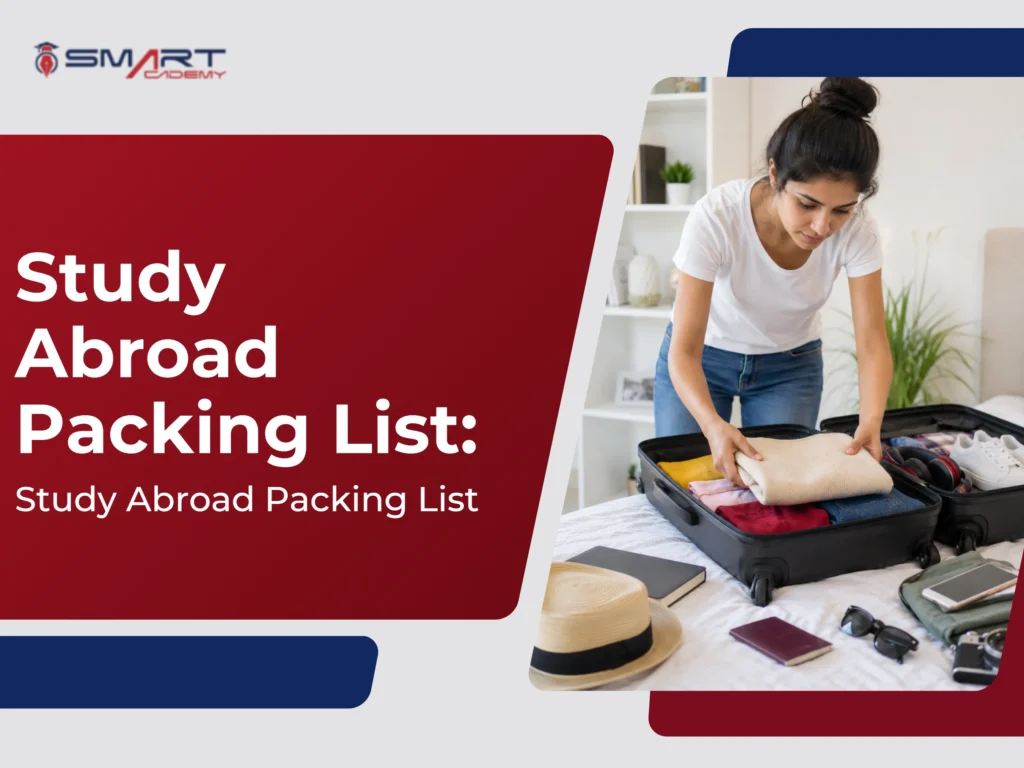
A study abroad packing list should include travel documents, financial essentials, electronics, clothing, health supplies, academic materials, food basics, communication tools, emergency items, and personal comfort belongings. Students should first secure passports, visas, admission letters, transcripts, insurance papers, flight details, and document backups in original, photocopied, and digital formats. They should also prepare international debit or credit cards, local currency, bank paperwork, scholarship documents, and emergency cash for immediate expenses.
Electronics such as laptops, phones, chargers, adapters, power banks, and storage devices support study, communication, and travel needs. Clothing should suit the local climate, cultural expectations, and daily university life, while health supplies should include prescription medicines, toiletries, sanitizers, insect repellent, and first-aid items. Academic supplies, language apps, familiar foods, reusable containers, SIM cards, offline maps, embassy contacts, and personal items from home help students settle smoothly. Packing smart reduces stress, saves money, prevents overpacking, and helps students begin their study abroad journey with confidence.
10 things to carry before going abroad are:
- Travel and Academic Documents
- Financial Essentials
- Electronics and Adapters
- Clothing and Footwear
- Health and Hygiene Supplies
- Study and Academic Supplies
- Food and Kitchen Basics
- Communication and Connectivity
- Safety and Emergency Items
- Personal and Cultural Comfort Items
1. Travel and Academic Documents
Travel and academic documents, including your passport, student visa, admission letter, academic transcripts, certificates, travel insurance documents, and flight information, are crucial for a smooth study abroad experience. These documents verify your identity, confirm enrollment, support immigration clearance, and should be carried in original, photocopied, and digital formats to ensure easy access and avoid delays during travel and university registration.
Passport, Visa, and Admission Letter
- Passport & Visa: Ensure your passport and student visa remain valid at least 6 months beyond your study period and keep photocopies stored separately from the originals.
- Admission Letter: Carry printed and digital copies of your admission letter, as it may be requested by immigration officers, university staff, or accommodation providers.
- Flight Tickets and Travel Itinerary: Keep your flight tickets, airport transfer details, and travel itinerary easily accessible during your journey.
- University Documents: Bring enrollment confirmations, accommodation details, orientation schedules, tuition payment receipts, and other important university paperwork.
- Travel Insurance Documents: Carry copies of your travel insurance policy, emergency assistance contacts, and coverage details for quick reference.
Academic Transcripts and Certificates
- Academic Transcripts: Carry original academic transcripts for enrollment, course registration, and academic verification.
- Language Proficiency Certificates: Bring copies of IELTS, TOEFL, PTE, Duolingo English Test, or other accepted language test results.
- Birth Certificate: Carry your birth certificate if required for identity verification, accommodation, or university registration.
- Police Clearance or Background Check Documents: Keep police clearance certificates or background check documents readily available if required by your program or destination country.
- Certified Translations: Arrange certified translations for any documents that are not in the language required by your host institution.
Tip: Keep 1-4 photocopies of all academic documents and store digital backups securely in cloud storage or email for quick access if originals are lost or damaged.
Travel Insurance Documents
- CISI Insurance Card: Carry a printed copy of your CISI insurance card or travel insurance card as proof of active coverage.
- Health Insurance Card: Bring your health insurance card and policy details for quick access to healthcare services and insurance support.
- Identification Photocopies: Keep photocopies of your passport, visa, admission letter, and other important IDs stored separately from the originals.
- Initial Local Currency: Carry a small amount of local currency to cover immediate expenses after arrival.
- Emergency Carry-On Items: Pack a change of clothes, prescription medications, basic toiletries, and chargers in your carry-on luggage in case of baggage delays.
2. Financial Essentials
Financial essentials such as international debit and credit cards, local currency, bank documents, and scholarship paperwork are necessary for managing daily expenses, accessing funds, and ensuring a smooth transition to life abroad. Students should prepare reliable payment methods, carry sufficient funds for immediate needs, and organize all financial documents before departure to avoid disruptions during travel or university enrollment.
International Debit and Credit Cards
- International Debit Cards: Carry a debit card that supports international transactions and ATM withdrawals to access funds conveniently and manage everyday expenses while studying abroad.
- International Credit Cards: Bring a widely accepted credit card, such as Visa or Mastercard, for purchases, emergencies, hotel bookings, and other transactions that may require one.
- Backup Payment Method: Carry at least one additional debit or credit card and keep it separate from your primary card as a safeguard against loss, theft, or card-related issues.
- Bank Notification: Inform your bank about your travel plans before departure to reduce the risk of international transactions being flagged or blocked for security reasons.
Foreign Currency for Initial Days
- Initial Local Currency: Carry a reasonable amount of local currency to cover immediate expenses upon arrival, including transportation, meals, communication, and other day-to-day necessities before setting up local banking arrangements.
- Emergency Cash Reserve: Keep emergency cash separate from your primary funds to provide financial support during unexpected situations such as delayed cards, banking issues, or travel disruptions.
- Secure Storage: Store cash in a secure wallet, money belt, or separate compartments to reduce the risk of loss or theft while traveling.
- Balanced Payment Approach: Combining local currency with internationally accepted debit or credit cards provides flexibility, convenience, and financial security during the first few days in a new country.
Bank and Scholarship Paperwork
- Bank Documents: Carry copies of your bank account details, bank contact information, and any documents required for international banking services.
- Scholarship Documents: Bring printed and digital copies of scholarship award letters, sponsorship documents, or financial aid approvals.
- Proof of Funds: Keep recent bank statements or financial documents that may be required by universities, immigration authorities, or accommodation providers.
- Passport and Visa Copies: Store photocopies of your passport and student visa in your financial documents for identity verification.
- Organized Storage: Keep all banking and scholarship paperwork in a dedicated folder with secure digital backups for easy access when needed.
3. Electronics and Adapters
Electronics and adapters such as laptops, smartphones, chargers, power adapters, and portable storage devices are necessary for academic work, communication, and daily life while studying abroad. Students rely on these devices to access course materials, stay connected with family and friends, manage travel arrangements, and complete university assignments. Before departure, check that all devices are compatible with your destination country’s plug types and voltage standards to avoid charging issues or equipment damage.
Laptop, Phone, and Accessories
- Laptop: Bring your laptop, charger, and essential accessories for coursework, research, and online learning.
- Smartphone: Carry an unlocked smartphone for communication, navigation, banking, and daily use abroad.
- Laptop and Phone Chargers: Pack original chargers and at least one spare charging cable.
- Headphones or Earbuds: Bring headphones for online classes, virtual meetings, and studying in shared spaces.
- Camera: Carry a camera and a charger if you plan to document your travel and study-abroad experience.
- Device Protection Accessories: Use laptop sleeves, protective cases, and screen protectors to safeguard your devices during travel.
Power Adapters and Voltage Converters
- Plug Adapter: Use a plug adapter to connect your devices to power outlets in your destination country.
- Dual-Voltage Devices: Check whether your laptop, phone, and chargers support dual voltage (100-240V), as most modern electronics only require a travel adapter.
- Voltage Converter: Carry a voltage converter only if your devices are not compatible with the local voltage supply.
- Travel Adapter Features: Choose a compact universal travel adapter with multiple plug types and USB ports to charge multiple devices simultaneously.
Portable Charger and Storage Devices
- Portable Charger: Carry a power bank to keep your phone and other devices charged while traveling, during campus activities, or in emergencies.
- Cell Phone Charger: Pack your regular phone charger and a spare charging cable for daily use and backup.
- Extra Memory Cards: Bring additional memory cards or storage devices to save photos, videos, and important documents without running out of space.
- International Wall Adapters: Carry international wall adapters to ensure your devices can be charged safely in countries with different plug types.
4. Clothing and Footwear
Clothing and footwear should be selected based on your study destination’s climate, cultural expectations, and daily activities. Packing versatile, comfortable, and weather-appropriate items helps students stay prepared for academic, social, and travel experiences without overpacking. Focus on clothing that can be easily mixed and matched while leaving enough luggage space for other study-abroad essentials.
Packing for the Local Climate
- Research the Destination Climate: Review seasonal weather conditions, average temperatures, rainfall patterns, and local dress norms before creating your packing list.
- Pack Everyday Essentials: Include versatile clothing such as jeans, neutral tops, t-shirts, shirts, blouses, trousers, skirts, and casual outfits suitable for daily university life.
- Consider Cultural Expectations: Some countries and institutions have specific dress expectations for classrooms, religious sites, or formal events. Research these requirements in advance.
- Choose Versatile Pieces: Select clothing items that can be layered and worn in multiple combinations to reduce luggage weight and avoid overpacking.
- Check Program Requirements: Certain courses, internships, or laboratory programs may require specific clothing or uniforms, so review your program guidelines before departure.
Comfortable Walking Shoes
- Prioritize Comfort: Students often spend long hours walking across campuses, using public transportation, and exploring new cities. Comfortable footwear helps prevent discomfort and fatigue.
- Choose Durable Footwear: Select shoes that can withstand daily use and different weather conditions throughout your study abroad experience.
- Pack Versatile Options: Bring footwear that works well for classes, sightseeing, and everyday activities without requiring multiple pairs for different situations.
- Recommended Shoe Types: Comfortable sneakers, walking shoes, supportive sandals, and durable flats are practical options for most study destinations.
- Include Formal Footwear if Needed: If your program includes professional placements, presentations, or formal events, consider packing one appropriate pair of formal shoes.
Packing Cubes to Stay Organized
- Organize Clothing Efficiently: Use packing cubes to separate clothing categories and find items quickly.
- Reduce Overpacking: Divide belongings into compartments to keep track of what you are packing.
- Categorize by Purpose: Organize cubes by clothing type, activity, or frequency of use.
- Save Space in Luggage: Use compression packing cubes to maximize suitcase space and keep items compact.
- Simplify Travel and Repacking: Make unpacking, repacking, and moving between accommodations more organized and convenient.
5. Health and Hygiene Supplies
Health and hygiene supplies such as prescription medications, first aid items, toiletries, hand sanitizer, and insect repellent are necessary for maintaining personal well-being while studying abroad. Carrying these items helps students manage everyday health needs, address minor medical issues, and stay comfortable as they adjust to a new environment. Pack enough supplies for the initial weeks of your stay and check whether any medications or health products are subject to restrictions in your destination country.
Prescription Medications and Aid Kit
- Prescription Medications: Carry all prescription medications in their original packaging along with copies of your prescriptions.
- Vaccination and Health Records: Bring your vaccination certificates and health insurance card for medical verification and access to treatment.
- First Aid Essentials: Pack bandages, wound dressings, antiseptics, pain relievers, and digestive medications for minor health concerns.
- Emergency Medical Supplies: Include items such as a thermometer, tweezers, and water purification tablets for added preparedness.
- Vision Care Items: Carry an extra pair of prescription glasses or contact lenses as a backup.
- Altitude Sickness Medication: Bring altitude sickness medication if your destination involves high elevations or mountainous regions.
Travel-Sized Toiletries
- Hair and Body Care Products: Pack travel-sized shampoo, conditioner, soap, body wash, deodorant, and skincare products to maintain daily hygiene while saving space in your luggage.
- Oral Care Essentials: Include a toothbrush, toothpaste, dental floss, and mouthwash to support oral hygiene during travel and upon arrival.
- Shaving and Grooming Products: Bring travel-sized razors, shaving supplies, and personal grooming products tailored to your needs.
- Cosmetics and Personal Care Items: Pack makeup, skincare products, and other personal care essentials that you regularly use.
- Prescription Products: Keep prescription creams, medicated products, and other healthcare-related toiletries in their original packaging when possible.
- Space-Saving Packing: Travel-sized toiletries are easier to carry, meet airline liquid restrictions, and help reduce overall luggage weight.
Hand Sanitizer and Insect Repellent
- Hand Sanitizer: Carry hand sanitizer containing at least 60% alcohol to maintain hand hygiene when soap and water are not readily available.
- Insect Repellent: Pack insect repellent in liquid, spray, or wipe form to help protect against insect bites, especially in destinations where mosquito-borne illnesses are common.
- Antibacterial Wipes: Useful for cleaning frequently touched surfaces, travel equipment, and personal items during transit.
- Sunscreen: Bring sunscreen appropriate for your destination’s climate to protect your skin during outdoor activities and travel.
- Face Masks: Carry a small supply for crowded public spaces, healthcare visits, or situations where additional protection may be beneficial.
- Personal Health Protection: Keeping these health and hygiene essentials readily available helps reduce exposure to germs, supports illness prevention, and contributes to a safer study abroad experience.
6. Study and Academic Supplies
Study and academic supplies, such as notebooks, stationery, textbooks, enrollment documents, and language-learning apps, help students stay organized and prepared throughout their study-abroad experience. While many academic resources are available digitally, carrying a few essential study materials ensures you can participate in classes, take notes efficiently, and complete coursework from the moment you arrive.
Notebooks, Stationery, and Textbooks
- Notebooks and Writing Materials: Carry notebooks, pens, pencils, highlighters, and other basic stationery items for note-taking, assignments, and everyday academic tasks.
- Study Supplies: Include items such as sticky notes, folders, document organizers, and other supplies that help keep coursework and academic documents organized.
- Textbooks and Course Materials: Review your course requirements before departure and bring any required textbooks or study materials that may be difficult to access immediately after arrival.
- Digital Learning Resources: Many universities provide online learning platforms, digital textbooks, and course portals. Ensure your laptop or tablet is prepared to access these resources.
- Program-Specific Materials: Certain courses may require specialized equipment, software, calculators, lab materials, or art supplies. Check your university’s academic requirements before packing.
Student ID and University Enrollment Proof
- University Enrollment Confirmation: Carry copies of your enrollment confirmation letter or registration documents as proof of your admission and student status.
- Acceptance and Program Documents: Bring your university acceptance letter, program itinerary, accommodation confirmation, and any other documents provided by your institution.
- Student Identification: If your university issues a digital student ID before arrival, save a copy on your phone and keep any related documentation readily accessible.
- Printed and Digital Copies: Store both printed and digital versions of all enrollment documents to ensure access during registration, orientation, and administrative procedures.
- Emergency and University Contacts: Keep contact information for your university’s international office, student support services, and emergency assistance teams alongside your enrollment documents.
Language and Dictionary Apps
- Language Learning Apps: Applications such as Duolingo can help students learn common phrases, improve language skills, and communicate more confidently in their destination country.
- Translation Apps: Tools such as Google Translate or Speak & Translate provide real-time translation support for conversations, signs, menus, and everyday communication.
- Offline Language Resources: Download offline language packs and dictionaries before departure so you can access translations without an internet connection.
- Academic Communication Support: Language apps can help students understand lectures, complete assignments, and communicate effectively with professors and classmates.
- Daily Life Assistance: Translation and language-learning tools also support navigation, shopping, transportation, healthcare visits, and other day-to-day activities while studying abroad.
7. Food and Kitchen Basics
Food and kitchen basics can make the transition to a new country more comfortable, especially during the first few weeks of your study abroad experience. While most daily necessities can be purchased locally, carrying a few familiar food items and reusable kitchen essentials can help you adjust more easily, save money, and maintain your regular eating habits. Before packing any food products, always review the customs and import regulations of your destination country.
Familiar Spices and Instant Foods from Home
- Spices from Home: Pack small quantities of your favorite spices and seasoning mixes to add familiar flavors to meals.
- Instant Foods: Bring easy-to-prepare foods such as instant noodles, oatmeal packs, soup packets, or ready-to-cook meals for your first few days abroad.
- Tea and Coffee: Carry your preferred tea, coffee, or beverage mixes for added comfort during the transition period.
- Condiments and Flavoring Items: Pack small amounts of chutneys, pickles, sauces, or seasoning packets if permitted by customs regulations.
- Dry Snacks: Bring lightweight snacks such as biscuits, crackers, granola bars, or packaged treats for travel and settling in.
- Customs Compliance: Check your destination country’s customs regulations before packing any food items.
Reusable Water Bottle and Containers
- Reusable Water Bottle: Carry a reusable water bottle to stay hydrated throughout classes, travel, and daily activities.
- Food Storage Containers: Bring lightweight containers for storing leftovers, packed meals, and snacks.
- Cost Savings: Refill your water bottle and prepare meals when possible to help reduce daily expenses.
- Sustainability Benefits: Use reusable bottles and containers to minimize waste and reduce reliance on single-use plastics.
- Easy Daily Use: Choose compact and durable containers that are easy to carry between campus, accommodation, and travel destinations.
What Not to Pack (Customs Restrictions)
- Restricted Food Items: Avoid carrying perishable foods, fresh produce, meat products, dairy products, and other food items that may be prohibited by customs regulations in your destination country.
- Excessive Snacks and Supplies: Packing large quantities of food can increase luggage weight and take up valuable space, especially when many of these items are readily available locally.
- Irreplaceable Valuables: Do not pack heirlooms, sentimental items, expensive jewelry, or other valuables that would be difficult to replace if lost, damaged, or stolen.
- Full-Size Toiletries: Large bottles of shampoo, body wash, and similar products add unnecessary weight and can usually be purchased after arrival.
- Voltage-Incompatible Appliances: Hair dryers, straighteners, and other appliances that do not support international voltage standards may not function properly and could become damaged when used abroad.
- Items Restricted by Destination Laws: Review the customs regulations of your destination country before departure to avoid carrying prohibited items that may result in confiscation, delays, fines, or other travel complications.
8. Communication and Connectivity
Communication and connectivity tools help students stay in touch with family, access university resources, navigate unfamiliar locations, and manage daily life abroad. Preparing your phone, contact information, and communication essentials before departure can help you avoid connectivity issues and remain accessible during emergencies and routine activities.
Local SIM Card or Unlocked Phone
- Unlocked Phone: An unlocked phone allows you to use SIM cards from different mobile providers in your destination country. This flexibility helps reduce communication costs and provides access to local mobile networks.
- Local SIM Card: Purchasing a local SIM card often offers more affordable access to calls, text messages, and mobile data than international roaming plans.
- eSIM Compatibility: If your device supports eSIM technology, you may be able to activate a local mobile plan digitally without needing a physical SIM card.
- Mobile Data Access: Reliable mobile data supports navigation, transportation apps, online banking, university portals, and communication with family and friends.
- Research Local Plans: Compare available mobile providers, data packages, and student-friendly plans before or shortly after arrival to find the most suitable option for your needs.
Important Contact List (Embassy, University, Family)
- Embassy or Consulate Contacts: Save the phone numbers, email addresses, and emergency contact details of your country’s embassy or consulate in your destination country. These contacts can assist with passport issues, emergencies, and official support services.
- University Contact Information: Keep the contact details of your university’s international office, academic advisors, accommodation office, student support services, and emergency assistance teams readily available.
- Family and Emergency Contacts: Maintain an updated list of family members, guardians, and trusted contacts, including phone numbers, email addresses, and alternative communication methods.
- Medical and Insurance Contacts: Keep contact information for your health insurance provider, emergency medical assistance services, and healthcare providers that may be relevant during your stay.
- Digital and Physical Copies: Store important contact information on your phone, in cloud storage, and on a printed contact sheet to ensure access during emergencies.
Offline Maps and Translation Apps
- Google Maps: Download offline maps of your destination before departure to access navigation, directions, and local information without requiring a constant internet connection.
- Google Translate: Use Google Translate to translate text, conversations, menus, signs, and documents. Download offline language packs for use without mobile data or Wi-Fi.
- Duolingo: Duolingo helps students learn common phrases, improve language skills, and become more comfortable communicating in the local language.
- WhatsApp: WhatsApp is widely used for messaging, voice calls, video calls, and group communication with family, friends, classmates, and university contacts.
- XE Currency: XE Currency provides real-time exchange rate information and helps students convert currencies while managing expenses abroad.
- Splitwise: Splitwise helps track and divide shared expenses with roommates, classmates, or travel companions, making budgeting easier throughout your study abroad experience.
- Download Apps Before Departure: Install and set up important navigation, translation, communication, and financial apps before traveling to ensure immediate access after arrival.
9. Safety and Emergency Items
Safety and emergency items help students handle unexpected situations, protect important information, and remain prepared while living abroad. Carrying document backups, emergency funds, and embassy contact information can reduce stress and provide valuable support during travel disruptions, medical emergencies, lost documents, or other unforeseen circumstances.
Copies of All Important Documents
- Passport and Visa Copies: Keep photocopies of your passport, student visa, and other identification documents in case the originals are lost, stolen, or damaged.
- Academic and Travel Documents: Make copies of your admission letter, enrollment confirmation, academic transcripts, flight tickets, accommodation details, and travel insurance documents.
- Health and Insurance Records: Carry copies of your health insurance card, vaccination records, medical prescriptions, and other important healthcare documents.
- Digital Backups: Store scanned versions of all important documents in secure cloud storage, encrypted drives, or a password-protected folder for easy access when needed.
- Separate Storage: Keep copies separate from the original documents to ensure you have backup information available during emergencies.
Emergency Cash Reserve
- Emergency Funds: Carry a separate emergency cash reserve to cover unexpected expenses such as transportation, accommodation changes, medical needs, or banking issues.
- Recommended Amount: A small reserve of local currency, approximately $300, can provide financial support during the first few days or in emergency situations.
- Secure Storage: Store emergency cash in a secure wallet, money belt, or a separate location from your primary funds to reduce the risk of losing all your money at once.
- Backup Payment Option: Emergency cash is a valuable backup if your debit or credit card or digital payment methods become unavailable.
- Easy Accessibility: Keep emergency funds accessible enough for urgent situations while ensuring they remain protected during travel.
Contact Details for Your Country’s Embassy
- Embassy Phone Numbers: Save the main office number, emergency assistance number, and after-hours contact information for your country’s embassy or consulate.
- Embassy Email Addresses: Keep official embassy email addresses available for non-emergency communication, document assistance, and consular support.
- Consular Services Information: Familiarize yourself with the services provided by your embassy, including passport replacement, legal assistance, emergency travel documents, and citizen support.
- Multiple Access Points: Store embassy contact details on your phone, in cloud storage, and on a printed emergency contact sheet.
- Emergency Preparedness: Quick access to embassy information can be extremely valuable in situations involving lost passports, natural disasters, political unrest, medical emergencies, or other urgent circumstances while studying abroad.
10. Personal and Cultural Comfort Items
Personal and cultural comfort items can help students adjust more easily to a new environment while studying abroad. Familiar belongings, meaningful keepsakes, and thoughtful gifts can reduce homesickness, create a sense of comfort, and encourage positive cultural exchanges with new friends, roommates, and host families.
Photos, Souvenirs, and Items from Home
- Family and Friend Photos: Bring a few printed photos of family members, friends, and memorable moments to make your living space feel more familiar and personal.
- Small Souvenirs: Pack meaningful items from home, such as cultural mementos, decorative pieces, or keepsakes that provide comfort and a sense of connection to your home country.
- Room Personalization Items: Lightweight items such as posters, photo frames, wall decorations, and small desk accessories can help create a welcoming, comfortable living environment.
- Personal Comfort Items: Familiar objects such as a favorite notebook, blanket, pillowcase, or other personal items may help ease the transition to a new country and routine.
- Practical Home Essentials: Small items such as a table mirror, reusable organizers, or compact storage accessories can make daily life more convenient in student accommodation.
Gifts for Host Families or New Friends
- Traditional Snacks and Treats: Consider bringing popular snacks, sweets, or packaged food items from your home country as a simple way to introduce your culture.
- Local Handicrafts and Souvenirs: Handmade crafts, cultural decorations, traditional artwork, and locally produced items can make thoughtful, memorable gifts.
- Practical Gifts: Items such as t-shirts, caps, keychains, bookmarks, or small accessories from your home country can be useful and appreciated by new friends.
- Gifts for Children: If you are staying with a host family that has children, coloring books, simple games, stickers, or educational toys can be thoughtful gift options.
- Cultural Exchange Opportunities: Meaningful gifts often create conversations about traditions, customs, and everyday life, helping build stronger connections with people you meet abroad.
What Students From Nepal Often Forget to Pack
- Document Backups: Many students forget to carry extra photocopies of their passports, visas, admission letters, travel insurance documents, and academic certificates.
- Prescription Medications and Basic First Aid Items: Important medications, prescriptions, and basic health supplies are often overlooked until they become urgently needed.
- Power Adapters and Charging Accessories: Students frequently remember their electronic devices but forget universal power adapters, charging cables, extension cords, or backup chargers.
- Carry-On Essentials: A change of clothes, toiletries, medications, and important documents should always be packed in carry-on luggage in case checked baggage is delayed.
- Emergency Cash Reserve: Some students rely entirely on cards and forget to carry a small amount of local currency for immediate expenses after arrival.
- Weather-Specific Clothing: Students sometimes underestimate seasonal weather conditions and forget essential items such as winter jackets, rainwear, gloves, or appropriate footwear.
- Digital Document Storage: Important documents should be securely backed up to cloud storage or email to ensure access if physical copies are lost or damaged while traveling.
Why Packing Smart Matters for Study Abroad Students?
Smart packing is an important part of study abroad preparation because it helps students travel efficiently, stay organized, and adapt more easily to a new environment. A well-planned study abroad packing list reduces unnecessary luggage, prevents last-minute purchases, and ensures that essential documents, clothing, electronics, and personal items are readily available when needed.
Key reasons why packing smart matters for study abroad students are:
- Financial Savings: Strategic packing prevents overspending on items that are often more expensive or hard to find in the host country, eliminating the need for costly last-minute purchases.
- Stress Reduction: Organizing your travel documents, toiletries, and school supplies efficiently ensures smooth transitions through airports and a hassle-free arrival.
- Environmental Preparedness: Carrying critical items, such as waterproof walking shoes and long-sleeve tops, protects you against unpredictable weather and regional issues like insect bites.
- Optimized Luggage Weight: Packing travel-sized toiletries and a streamlined wardrobe helps keep your bags from getting overloaded while keeping you fully prepared for daily life abroad.
- Increased Readiness: Arriving with a carefully planned kit builds immediate confidence and peace of mind, making your transition into a new international education journey comfortable and successful.
Packing Tips for Long-Term Study Abroad vs Short Semester Programs
For long-term study abroad programs, students should focus on packing a versatile wardrobe, durable essentials, and practical items, whereas for short-semester programs, packing can be limited to season-specific clothing, academic necessities, and a smaller collection of personal items. Understanding these differences helps students avoid overpacking while ensuring they have everything needed for a comfortable and successful experience abroad.
Packing tips for long-term study abroad programs:
- Include jeans, neutral tops, sweaters, cardigans, jackets, and other items that can be mixed and matched year-round.
- Bring layerable clothing, rainwear, and weather-appropriate outerwear to adapt to different climate conditions.
- Invest in quality footwear, backpacks, and everyday items that withstand frequent use.
- Long-term students may benefit from carrying personal comfort items, study supplies, and organizational accessories that make daily life easier.
- Practical items such as reusable water bottles, storage containers, and packing cubes can improve organization and convenience.
Packing tips for short-semester programs:
- Packing cubes help organize belongings, maximize luggage space, and simplify unpacking.
- A reusable bottle helps maintain hydration while reducing daily expenses and plastic waste.
- Universal adapters ensure your electronic devices remain compatible with local power outlets.
- Carry enough toiletries for the first week and purchase additional supplies after arrival if necessary.
- Lightweight souvenirs, snacks, or local keepsakes can be thoughtful gifts for host families, roommates, or new friends.
Ready to Pack Your Bags and Begin Your Study Abroad Journey with Confidence?
A successful study abroad experience starts with careful planning, organized preparation, and a well-structured packing checklist. From important travel documents and financial essentials to academic supplies, health items, and personal comfort belongings, packing the right items can help you avoid unnecessary stress and settle into your new environment more smoothly.
If you are still unsure about university applications, visa requirements, document preparation, accommodation arrangements, or what to pack for your destination, speaking with a study abroad advisor can make the process much easier. An experienced advisor can provide personalized guidance, help you prepare for departure, and ensure you are fully ready for every stage of your study abroad journey. With the right preparation and support, you can travel with confidence and focus on making the most of your international education experience.