

 4.5
4.5BIOLOGY || BOTANY For CEE
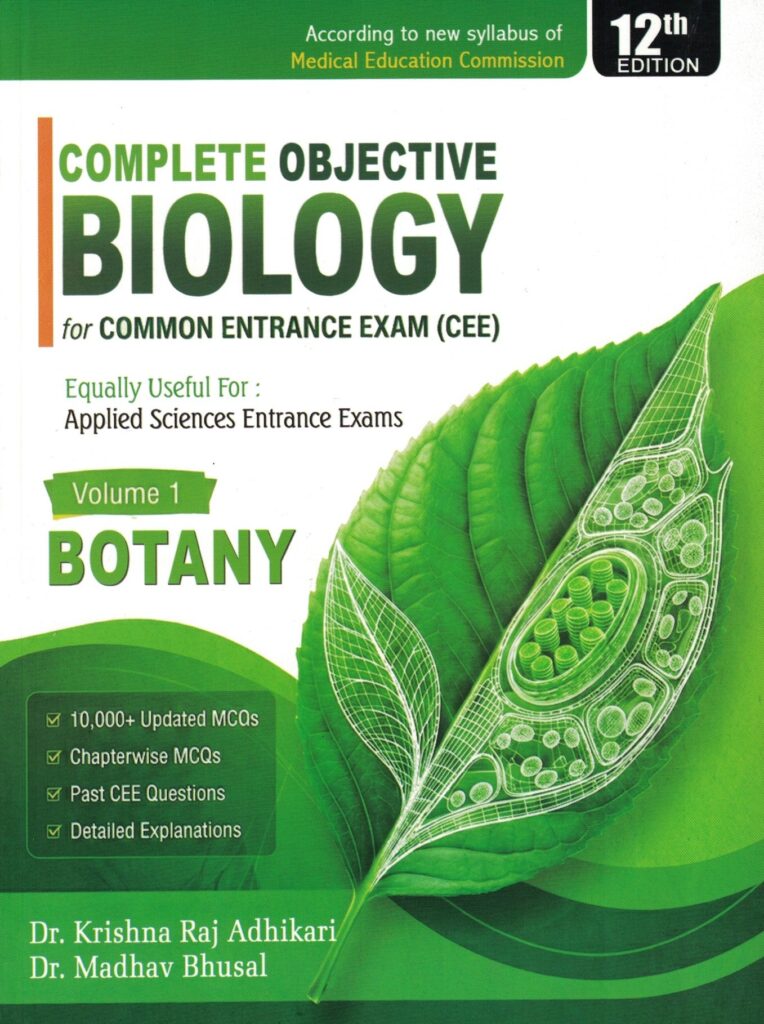
As requested by the Medical Education Commission’s (MEC) syllabus, the book is meticulously crafted to align with the weighty Biology section of Nepal’s highly competitive Common Entrance Examination (CEE). Given
As requested by the Medical Education Commission’s (MEC) syllabus, the book is meticulously crafted to align with the weighty Biology section of Nepal’s highly competitive Common Entrance Examination (CEE). Given that Biology constitutes a substantial 100 marks (comprising 50 questions on botany and zoology) of the 200-mark total, a specialized, MCQ-focused resource like this one is crucial for aspirants. The text’s primary mission is to meet this need, offering an exhaustive repository of over 10,000 updated multiple-choice questions that are organized chapter-wise to systematically address every topic in the CEE syllabus.
Structurally, the book, authored by Dr. Krishna Raj Adhikari and Dr. Madhav Bhusal, is divided into volumes, with this particular volume dedicated to botany. This specialization allows for an in-depth exploration of plant-specific topics, which are vital for the exam’s 40-mark botany component. A key feature is the inclusion of detailed explanations and past CEE questions, which are indispensable for mastering the exam’s format and difficulty level. This approach transforms the book from a simple question bank into a strategic study tool. Furthermore, its utility extends beyond medical entrance exams; the cover explicitly states it is “Equally Useful For: Applied Sciences Entrance Exams,” such as B.Sc. Agriculture, Forestry, and Food Technology, broadening its reach to a wide array of science students.
With authors like Dr. Krishna Raj Adhikari, who also contributes to Physics and Chemistry guides in the same series, the book benefits from a cross-disciplinary perspective on exam strategy. It is designed for intensive, high-stakes revision, helping students practice time management under pressure. However, the lack of discoverable reviews or widespread online discussion means its specific strengths and weaknesses remain unknown. Consequently, students may find this volume most effective when used as a primary revision and practice tool, particularly after they have built a solid foundational knowledge of botany from standard textbooks and class notes, rather than as a standalone textbook for learning concepts from scratch.
NRs. 1325
- Book Instantly Directly with Provider
- Best Price guarantee
- Available dispatch in 2 days


Explore More Books
Nirvana Publication
NRs. 375 NRs. 375
View Details
 4.5
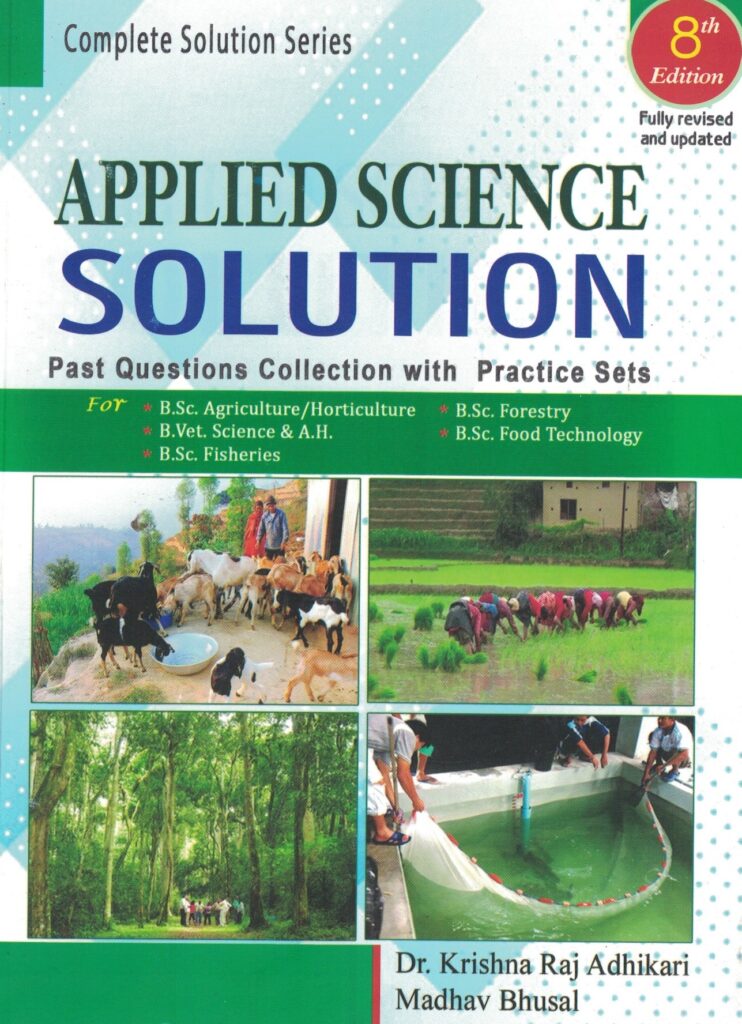
4.5Dr.Krishna Raj Adhakari,Madhav Bhushal
NRs. 1250 NRs. 1250
View Details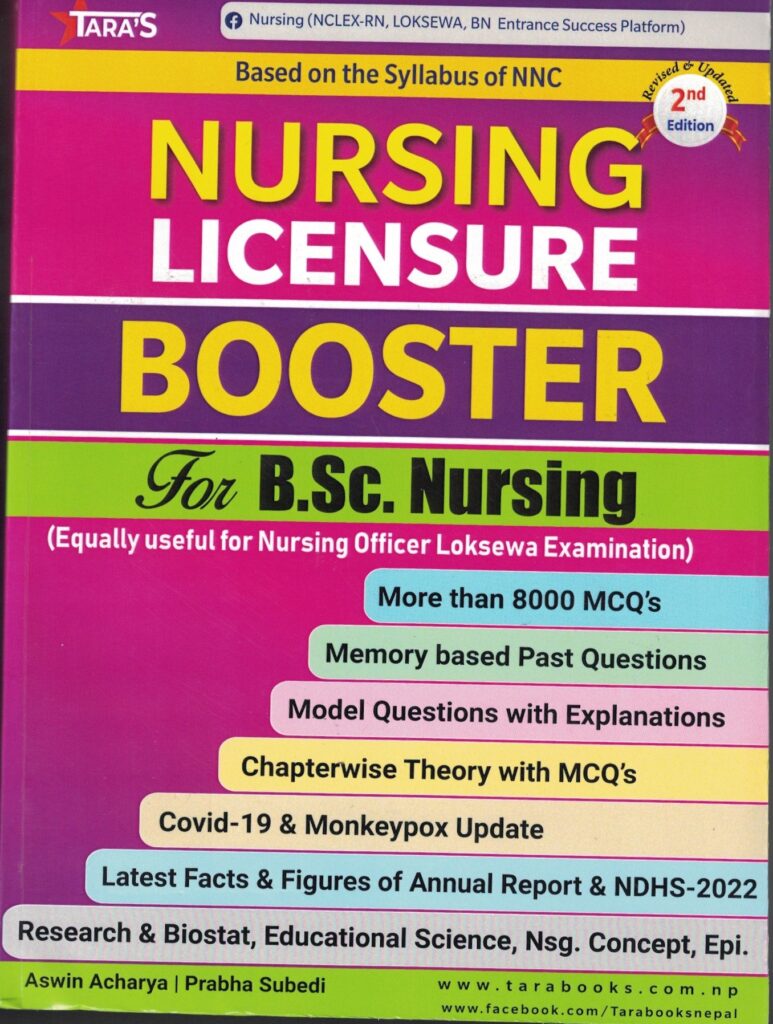 4.5
4.5NURSING LICENSURE BOOSTER For BSC Nursing
Aswain Acharaya, Prabha Subedi
NRs. 1700 NRs. 1700
View Details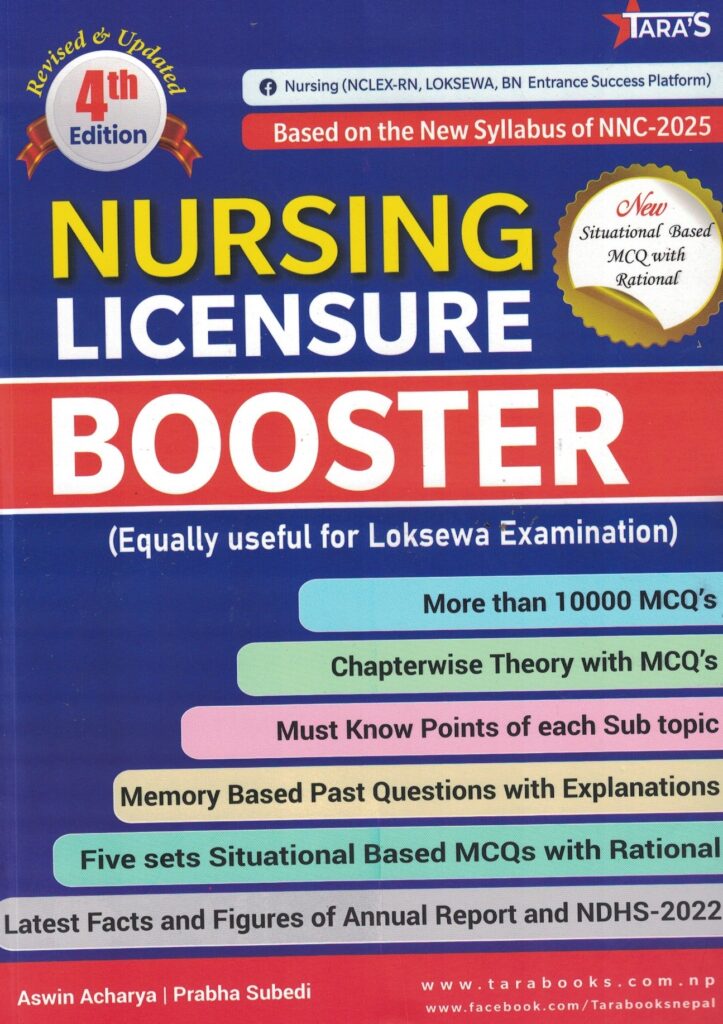 4.5
4.5NURSING LICENSURE BOOSTER For PCL Nursing
Aswain Acharaya, Prabha Subedi
NRs. 1550 NRs. 1550
View Details
Reserve Your Copy
We'll confirm availability and delivery within 24 hours.
4.5BIOLOGY || BOTANY For CEE
Dr.Krishna Raj Adhakari,Madhav Bhushal
NRs. 1325 NRs. 1325


