



 4.5
4.5 ENGLISH
this book demonstrates notable longevity and is specifically tailored to Nepal’s competitive entrance landscape. Its primary audience includes candidates for engineering entrance exams (IOE, Kathmandu University, and others), but the
this book demonstrates notable longevity and is specifically tailored to Nepal’s competitive entrance landscape. Its primary audience includes candidates for engineering entrance exams (IOE, Kathmandu University, and others), but the cover explicitly states it is equally useful for B.Sc. Agriculture, B.V.Sc. & A.H., B.Sc. Forestry, B.Sc. Fisheries, B.Tech (Food), B.Sc. CSIT, and even Public Service Commission (PSC) exams. This wide scope suggests a design focused on the English section common to many Nepalese standardized tests. The author, Alan Mukhiaya, leaves almost no discoverable public footprint—no publisher website, author profile, or independent reviews are readily available online. This likely indicates that the book is distributed through local, offline channels in Nepal and has built its reputation mainly by word‑of‑mouth among students rather than through digital marketing.
Structurally, the book aims to cover the typical English syllabus of Nepalese entrance exams, which often includes reading comprehension (both general and technical), grammar, vocabulary, synonyms/antonyms, sentence correction, and sometimes verbal reasoning. In exams like the IOE entrance (2 hours, 100 MCQs, negative marking for wrong answers), English usually accounts for about 20 marks. The 11th edition revision likely updates question patterns to reflect recent exam trends. Given the high competition and negative marking, a dedicated English practice book can be crucial for securing easy marks. However, the absence of any sample pages or detailed table of contents online makes it impossible to verify the quality of explanations, the accuracy of answer keys, or whether it includes past‑year questions with solutions—a feature that serious aspirants often rely on.
From a practical standpoint, the lack of verifiable user feedback or editorial reviews means this book should be approached as a supplementary drill resource rather than a primary textbook. Students who already have a solid grasp of high‑school English grammar and reading skills may find it useful for timed practice and familiarization with exam‑style MCQs. However, because no digital footprint exists, it is advisable to physically inspect a copy (e.g., at a local bookshop in Kathmandu or through peer recommendation) before purchasing. Cross‑referencing its content with official sample papers from the relevant entrance bodies (IOE, CEE, etc.) would be a wise safeguard against outdated or inaccurate material.
NRs. 649
- Book Instantly Directly with Provider
- Best Price guarantee
- Available dispatch in 2 days


Explore More Books
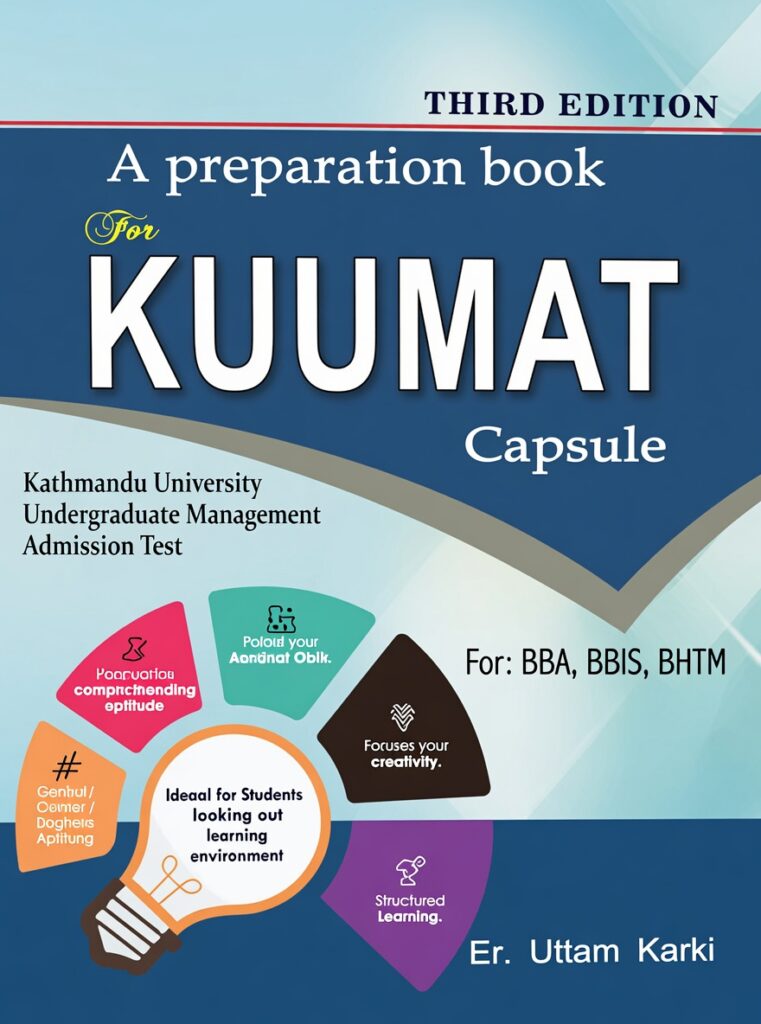
Nirvana Publication
NRs. 375 NRs. 375
View Details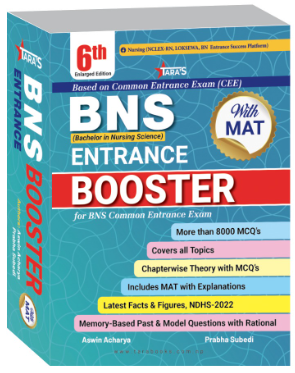
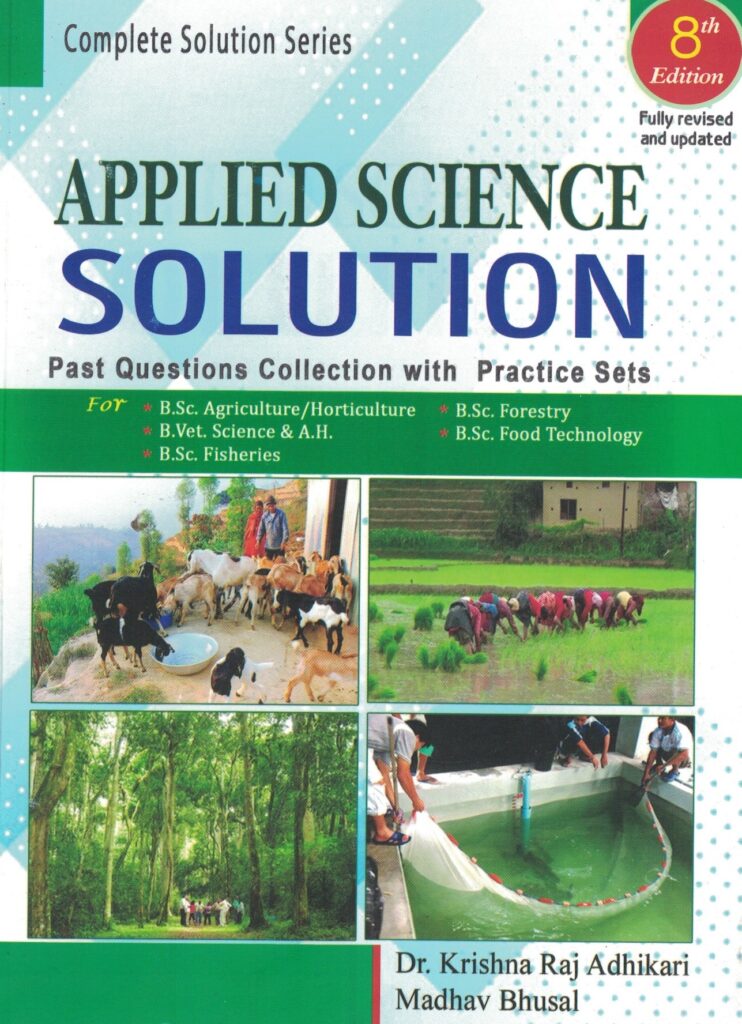 4.5
4.5 Dr.Krishna Raj Adhakari,Madhav Bhushal
NRs. 1250 NRs. 1250
View Details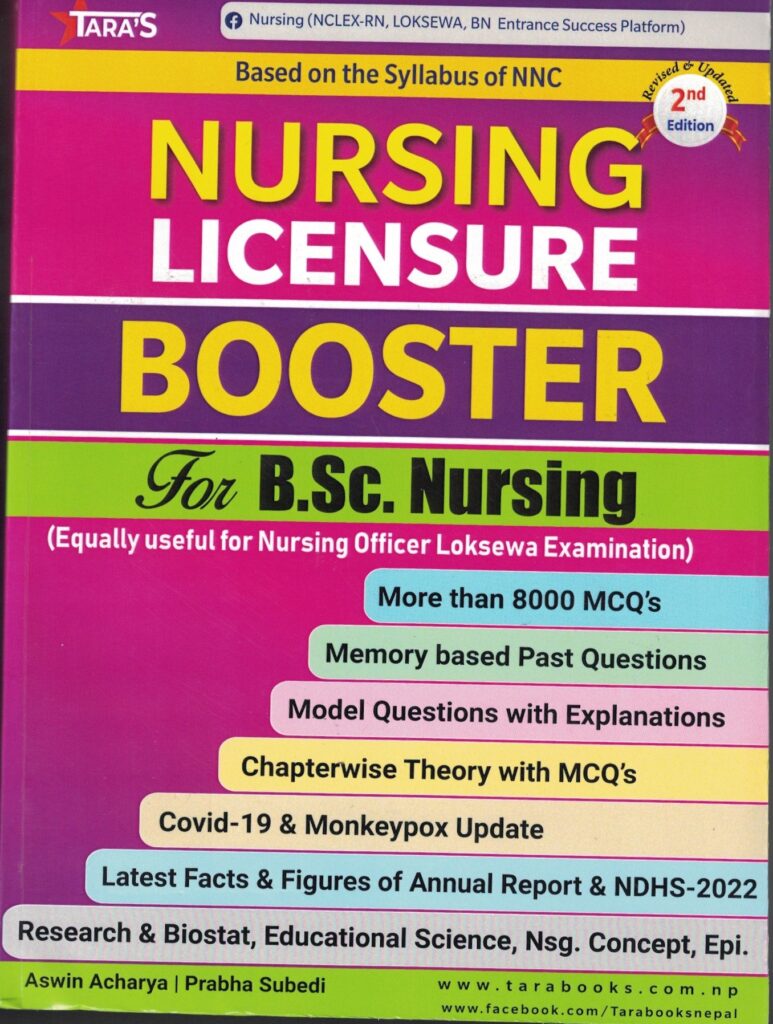 4.5
4.5 NURSING LICENSURE BOOSTER For BSC Nursing
Aswain Acharaya, Prabha Subedi
NRs. 1700 NRs. 1700
View Details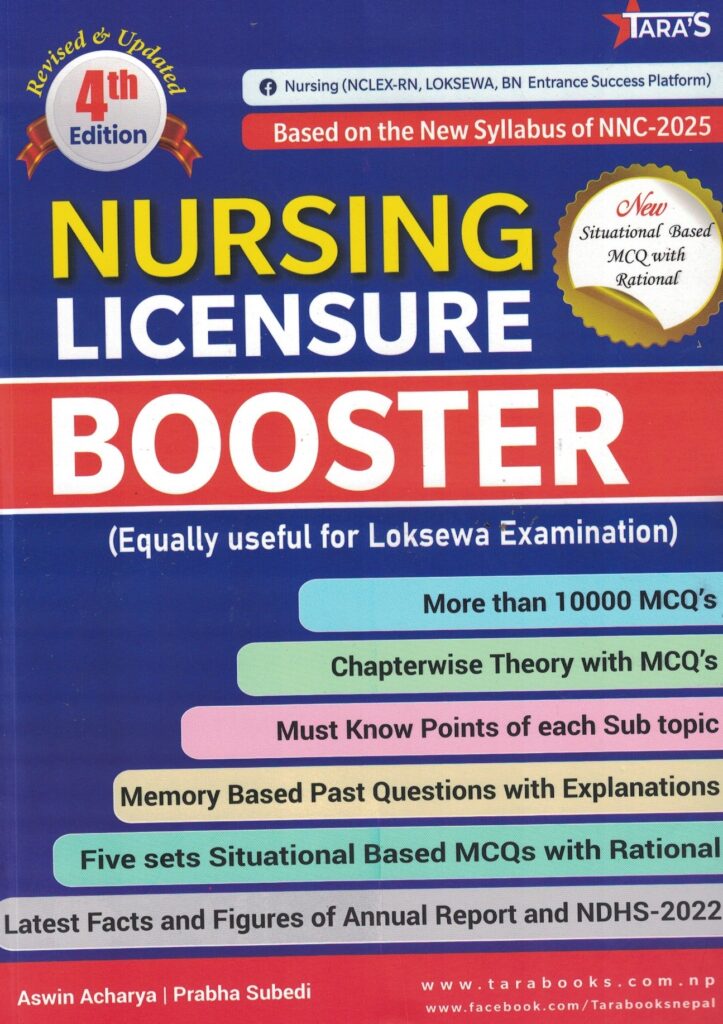 4.5
4.5 NURSING LICENSURE BOOSTER For PCL Nursing
Aswain Acharaya, Prabha Subedi
NRs. 1550 NRs. 1550
View Details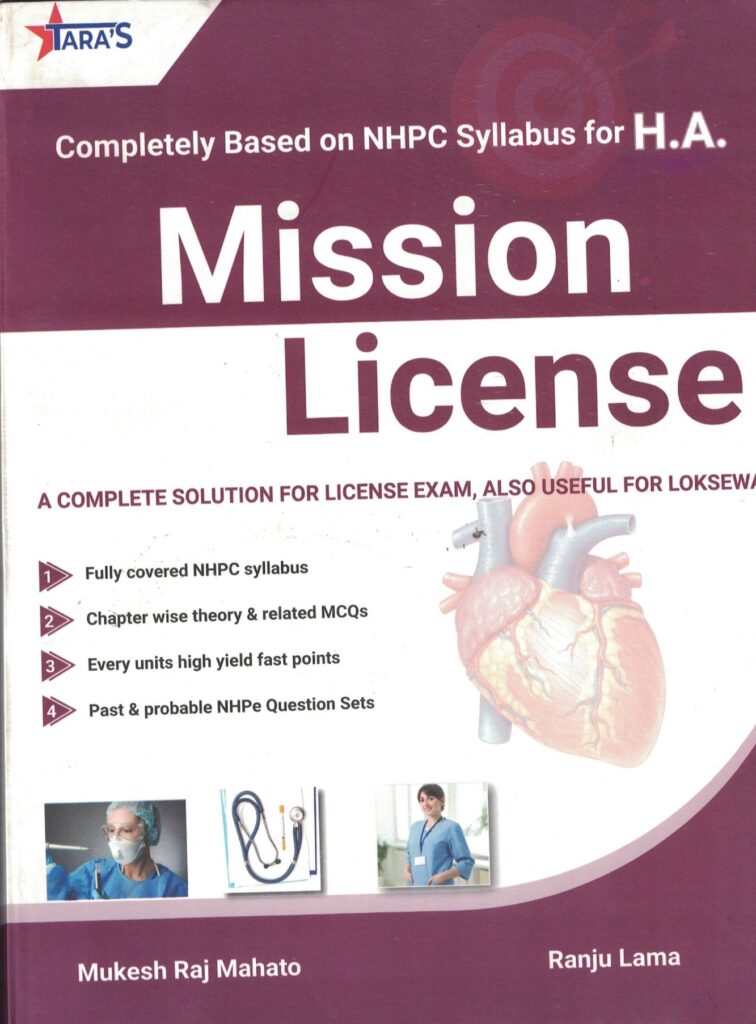
Reserve Your Copy
We'll confirm availability and delivery within 24 hours.
4.5 ENGLISH
Alan mukhiaya
NRs. 649


