Weekly full-length mock tests
Students complete 100 objective Multiple-Choice Questions under real exam conditions to simulate the pharmacy licensing exam.




Smart Educational Academy, as a leading provider of structured Pharmacy License Exam Preparation Classes in Nepal, offers a focused program to help D. Pharm and B. Pharm graduates achieve the required passing score for the Nepal Pharmacy Council licensing exam.
Call Us !
The course provides curriculum-based instruction, computer-based mock-test simulations, chapter-wise MCQ practice, and full-length pharmacy-license mock exams aligned with the 100-question objective format.
Our pharmacy license preparation class strengthens knowledge in pharmacology, pharmaceutics, pharmacotherapy, clinical and community pharmacy, and pharmacy law through structured materials and ability-based assessments, with guided revision and targeted practice to enhance exam readiness and secure professional registration in hospitals, community pharmacies, the pharmaceutical industry, and public health institutions in Nepal.
Call Smart Educational Academy at 9868295462 today to enroll in our pharmacy license exam preparation class, attend structured coaching sessions, and receive personalized guidance to pass the NPC license exam, obtain your pharmacy license, and begin your professional career as a licensed pharmacist or pharmacy assistant.

Choose Smart Educational Academy for pharmacy license preparation classes to receive structured pharmacy exam coaching, career-first guidance, comprehensive licensing exam training, and performance-based preparation aligned with the Nepal Pharmacy Council (NPC) exam requirements. Since 2021, Smart Academy has guided pharmacy graduates through a curriculum-based pharmacy-license-preparation course led by experienced Pharmacy instructors and supported by personalized mentoring and transparent academic counseling. Students receive structured study materials, concept-based instruction, and regular mock tests designed around the pharmacy licensing exam pattern conducted by the Nepal Pharmacy Council, helping candidates strengthen competency and qualify as licensed pharmacists in Nepal’s healthcare system.
Real Experiences, Honest Feedback, and Inspiring Stories from Our Learners

From choosing the right university to preparing for my tests, Smart Educational Academy helped me every step of the way.

Rahul Kumar Joshi
International Student – Ireland
The visa assistance and document support provided by the academy were excellent. Their team made sure everything was perfectly prepared.
Anjali Desai
Graduate Student – Canada
I highly recommend Smart Educational Academy for anyone planning to study abroad. Their expert guidance made my application process easy and successful.
Karan Mehta
Engineering Student – Australia
The counselors are very knowledgeable and friendly. They helped me understand the admission process clearly and guided me throughout the journey.
Neha Singh
Business Student – UKThe pharmacy license examination in Nepal is a professional licensing exam conducted by the Nepal Pharmacy Council (NPC) to assess whether pharmacy graduates have the necessary pharmaceutical knowledge and clinical competence to practice in pharmacies, hospitals, and other health institutions. Students who studied abroad must submit a study consent letter from the Medical Education Commission to obtain NPC registration. The exam is held 3 times a year, and is competitive due to high candidate numbers, and evaluates core subjects such as pharmacology, pharmaceutics, pharmacotherapy, and pharmacy practice, ensuring pharmacists meet national standards for safe medication use.
Candidates must complete the application through the official NHPC website.
Applicants must upload the following documents while applying:
Students struggle to pass the pharmacy license exam because they lack structured pharmacy license preparation, rely only on limited or outdated study notes, practice insufficient MCQs, mismanage time during the exam, and underestimate the depth of the NPC exam syllabus. Many pharmacy graduates register for the pharmacy licensing examination without guided revision, mock test practice, or performance evaluation, which affects their ability to achieve the required passing score in this competitive professional certification exam.
Many students prepare independently, without enrolling in structured pharmacy license-preparation classes or following organized study modules aligned with the Nepal Pharmacy Council exam syllabus.
Candidates attempt only a limited number of MCQ questions and rarely practice full-length pharmacy license mock tests that replicate the actual exam pattern and time limit.
Students focus on memorizing notes instead of understanding the core concepts of pharmacology, pharmaceutics, pharmacotherapy, and pharmacy practice required for the licensing examination.
Candidates struggle to complete 100 objective questions within the allotted exam time because they lack practice with simulated exam conditions.
Students revise study materials inconsistently and do not evaluate their preparation through chapter-wise tests, mock exams, and performance analysis.
Smart Educational Academy’s structured curriculum, weekly mocks, and personalized mentoring directly address every common failure point.
The Diploma in Pharmacy (D.Pharm) License Examination is a licensing examination conducted by the NPC for candidates who have completed a three-year Diploma in Pharmacy program affiliated with the Council for Technical Education and Vocational Training (CTEVT) or an equivalent recognized qualification. Students must obtain a minimum GPA of 2.0 in the SEE examination and pass the D.Pharma entrance exam to enroll in a college, and the total course fee is Rs. 423,660. This examination evaluates whether candidates possess the required pharmaceutical knowledge and practical competence to work as pharmacy assistants in hospitals, community pharmacies, and other healthcare institutions. After passing the exam, candidates receive official registration from the Nepal Pharmacy Council, which permits them to legally practice pharmacy and dispense medications in Nepal.
The Bachelor in Pharmacy (B.Pharm) License Examination is the professional registration examination administered by the NPC for graduates of a four-year Bachelor in Pharmacy program from a recognized university in Nepal or an equivalent institution abroad. The purpose of this examination is to determine whether candidates possess the required pharmaceutical knowledge, clinical understanding, and professional competency needed to serve as registered pharmacists. Candidates who pass the examination receive official NPC registration, which allows them to practice pharmacy and work in hospitals, community pharmacies, the pharmaceutical industry, and public health institutions across the country.
Smart Educational Academy follows a concept-based, structured approach to pharmacy license exam preparation, combining regular mock tests, focused revision, and guided mentoring to help pharmacy graduates achieve a passing score on the NPC license exam. We provide syllabus-based classes, MCQ practice, and discussion of previous exam questions aligned with the NPC exam pattern. Pharmacy instructors regularly assess student performance and guide candidates in strengthening pharmaceutical concepts, improving exam strategy, and performing effectively on the pharmacy licensing examination.
The pharmacy license exam preparation program is designed for D.Pharm and B.Pharm graduates preparing for the NPC licensing exam, candidates who failed previous attempts, final-year pharmacy students preparing early, and applicants needing structured revision before the exam. Smart Educational Academy enrolls candidates seeking organized pharmacy license coaching, regular mock tests, and competency-focused training to strengthen knowledge, build skills, and successfully clear the NPC license examination.
After obtaining a pharmacy license, pharmacists and pharmacy assistants can secure professional registration, work in hospitals, community pharmacies, the pharmaceutical industry, and public health institutions, pursue career advancement, and qualify for higher studies in pharmacy and related fields. The license validates professional competence and grants recognition to assume structured roles in clinical, hospital, community, and administrative pharmacy settings across Nepal. Career opportunities after a pharmacy license include:
Licensed pharmacists can work in public hospitals, primary health care centers, and government-run dispensaries, providing pharmaceutical services and patient care.
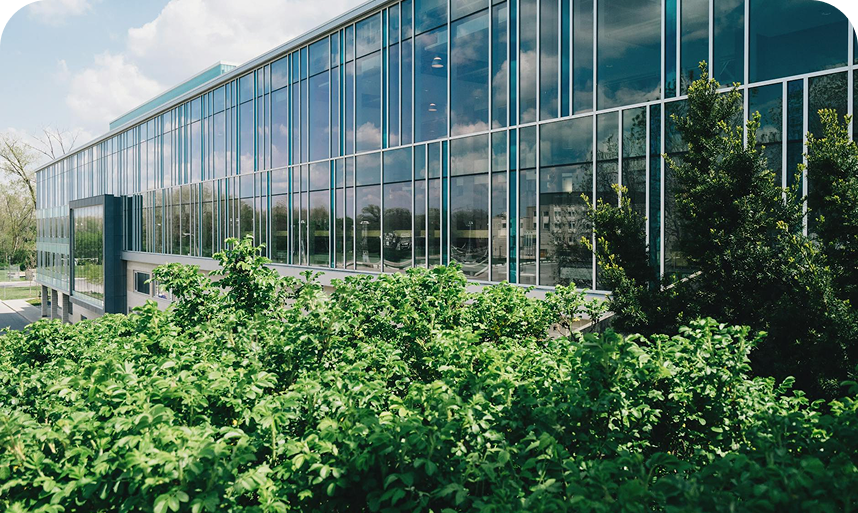
Candidates can join private hospitals, polyclinics, and diagnostic centers, managing drug dispensing, clinical pharmacy services, and patient counseling.
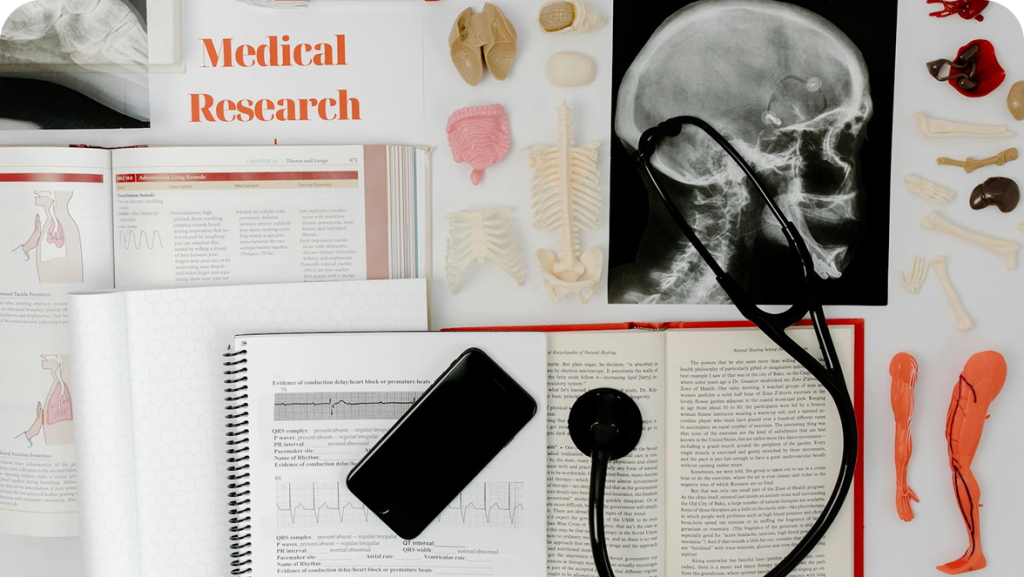
Pharmacists can operate or work in retail and community pharmacies, ensuring safe medication use, patient guidance, and local health support.

Licensed pharmacists can engage in drug manufacturing, quality control, research, or public health initiatives implemented by NGOs and health organizations.

Pharmacy professionals can pursue advanced studies in pharmacy, clinical research, or specialized pharmaceutical training to enhance expertise and career growth.

You should start preparing early for the pharmacy license exam to build strong conceptual knowledge, complete the full NPC exam syllabus systematically, practice sufficient MCQs, manage time efficiently, and secure the required passing score in this competitive licensing exam. Candidates can achieve focused preparation by studying 3–4 hours daily, starting 2–4 weeks before the exam, which allows phased revision of core subjects such as pharmacology, pharmaceutics, pharmacotherapy, clinical pharmacy, and community pharmacy.Early enrollment in a structured pharmacy license preparation course at Smart Academy enables students to attend regular mock exams, identify weaknesses through ability-based assessment, strengthen competencies, and approach the NPC licensing exam with confidence.
If you want structured pharmacy license exam preparation with regular mock tests and expert guidance aligned with the Nepal Pharmacy Council licensing exam, Smart Educational Academy provides a comprehensive pharmacy license preparation course that builds competency and improves exam performance. We deliver syllabus-based instruction, computer-based exam simulations, performance tracking, and personalized mentoring to support real exam readiness. Call Smart Educational Academy at 9868295462 today to enroll in the pharmacy license exam preparation class and attend structured coaching sessions with guided support. This preparation helps you pass the NPC license exam, obtain your pharmacy license, and begin your professional career in Nepal’s healthcare and pharmaceutical sectors.
Enroll Now